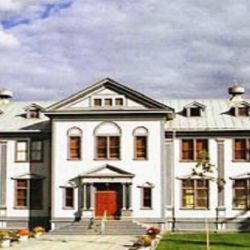
Located in the heart of the majestic Peace River country, Fort St. John supports a trading area of more than 69,000 people in the City and outlying service region. The population is dynamic, young, and energetic. Fort St. John is British Columbia’s oldest non-aboriginal settlement and its pioneer spirit is alive and well today.
Fort St. John began in 1794 as a trading post, in 1928 it was established as a community and in 1942 the Alaska Highway was built. During construction of the Alaska Highway Fort St. John’s population swelled to 2,000. With the completion of the highway, only nine months later in October 1942, the American troops left and the population dropped to 700.
By 1951 high grade oil had been discovered and in 1955 West Coast Transmission Company Ltd (now Spectra Energy) began construction of a pipeline to carry natural gas to the United States. Fort St. John became British Columbia’s oil and gas capital when TransCanada Pipelines built a Natural Gas pipeline in 1957. Their NOVA gas system started operations in 1961.
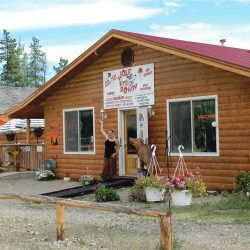
As Fort St. John continues to grow, so does the supply of retail and other businesses. This friendly, small town has lots of big city amenities, creating a fantastic atmosphere for many to call home. There are plenty of unique shops throughout the city as well as a number of large national chain stores.
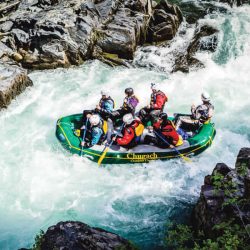
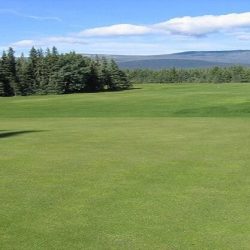
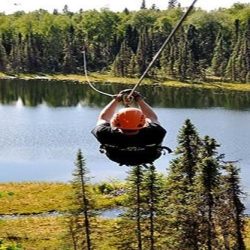
Fort St. John is a wonderful place to visit on your trip north as it offers a rich concentration of cultural and outdoor activities. Fort St. John, is known as “The Energetic City” and provides top-notch recreation facilities with hundreds of events taking place every year. Come experience Fort St. John’s vibrant spirit for yourself!
If you want to plan your own custom Itinerary on the Alaska Highway, try our Free Travel Planner.
Select “Routes TO Alaska” and then select “The Alaska Highway” to get a complete list of accommodations and activities that match your interests.
Where is Fort St. John British Columbia
Forst St John is located in the Peace River District of British Columbia, in the far North. It is closer to the Yukon border than the southern BC border with Washington State. It is also very near the Alberta border on the eastern side of BC. The Alaska Highway is the main road access to Forth St. John.
Can you see the Northern Lights in Fort St. John?
Yes, you can certainly see the Northern Lights in Fort St. John when the conditions permit. The Northern Lights are most often visible between October and April, when there is more darkness. The summer months have very long days (up to 20 hours of daylight), so it is unlikely you will see the solar activity of the Aurora Borealis in the summer.
What is Fort St. John Known For?
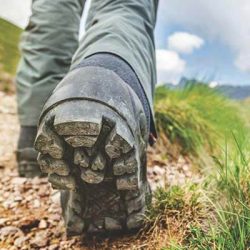
Fort St John is known for having plenty of natural resources, including natural gas and timber. It has a natural gas pipeline that exports natural gas to the United States. Fort St. John also has become known for outdoor recreation. With it’s vast, wide open area, and limited poplation there is a ton of opportunites for fishing, hiking, ATVing, camping, snowmobiling and more. Most of these activities are enjoyed during the short summer months, but these strong northern residents don’t let the winter months keep them inside.
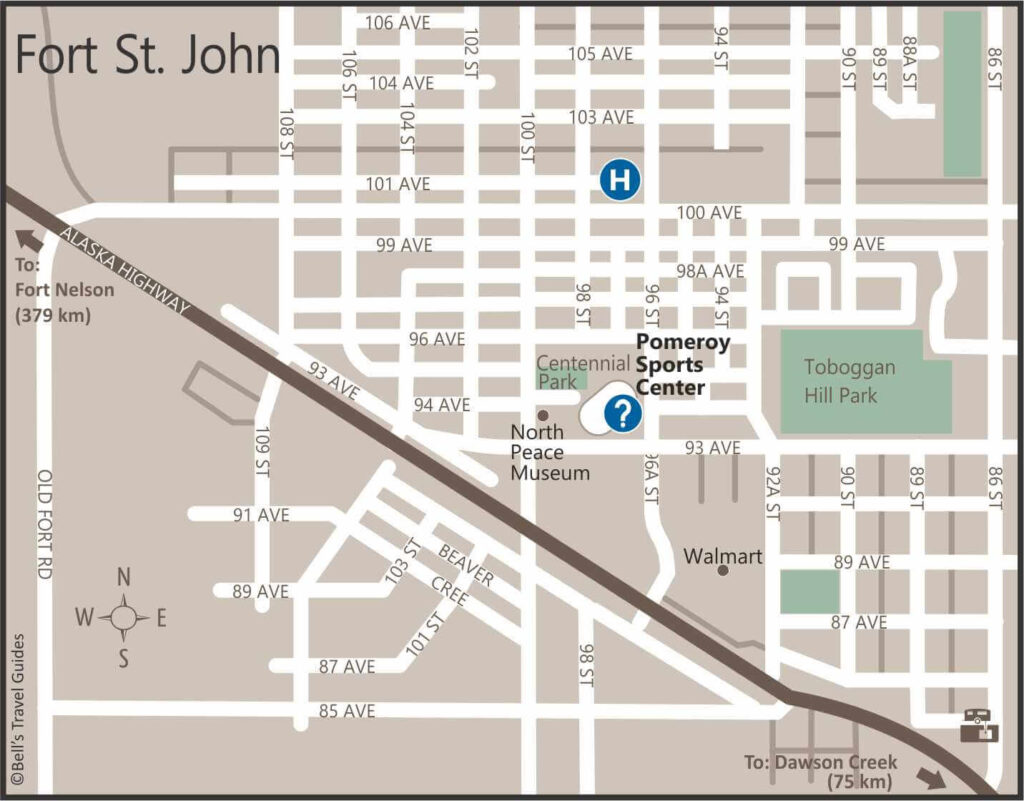
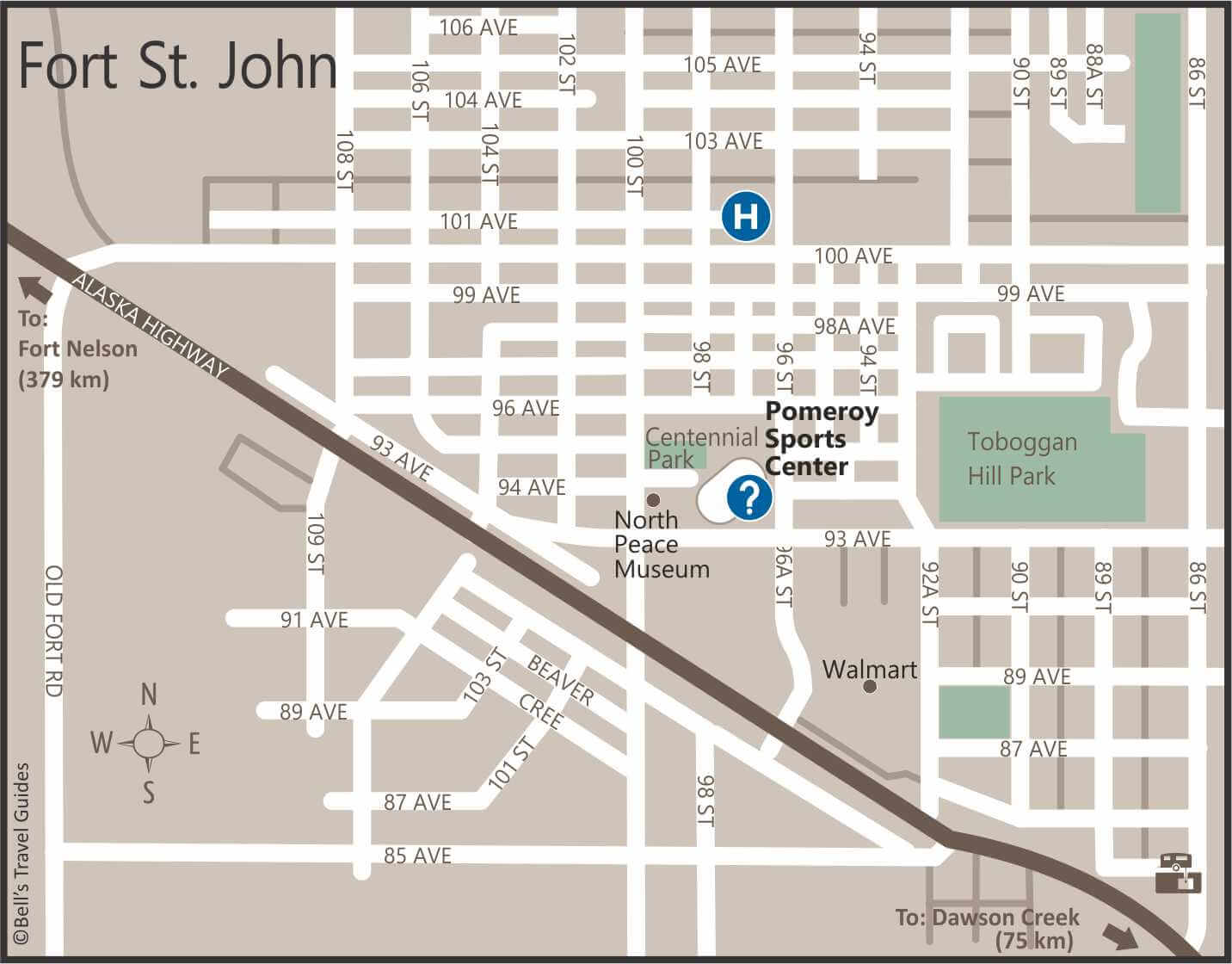
Map of Fort St. John British Columbia
This map of Fort St. John shows the downtown area. The Alaska Highway is the Main road that passes through the city. There are a number of hotels and restaurants located right new the Alaska Highway with large parking areas for large vehicles. Because Fort St. John is a Oil and Gas exporation hub, there are many large service vehicles in and around town, which may make parking more difficult. There is a large parking lot at the Pomeroy Sports Center, which is also where the Visitor Center is located.