Stay in Anchorage
Creekwood Inn is conveniently located midtown near shopping, restaurants, theaters and is the closest facility to Sullivan Arena. Enjoy the comfort and quality of a truly Alaskan hotel. Suites, kitchenettes, microwaves and Wi-Fi available.
Captain Cook Hotel
Upscale downtown landmark with multiple restaurants and pool
Hilton Anchorage
Full-service downtown hotel with pool, valet service, restaurants
RV Parks in Anchorage Alaska
Anchorage Ship Creek RV Park is only a few blocks from downtown and Anchorage’s best attractions. Full hookups, dry sites, tent sites, Wi-fi, Laundromat, dump station, clean showers and restrooms..
Creekwood RV Park is in midtown Anchorage near shopping, restaurants, theaters and is the closest facility to Sullivan Arena. Full hookups, showers, brand new laundromat and Wi-Fi available.
Best Things to Do in Anchorage
Anchorage City Trolley Tour departs in downtown Anchorage, on the corner of 4th & F, next to the log cabin Visitor Information Center. Enjoy a fun, narrated sightseeing tour of Anchorage from the comfort of the original red trolley.
Just 15 minutes south of downtown, the Alaska Zoo is home to more than 100 animals, including polar bears, brown and black bears, tigers, moose, wolves, snow leopards, lynx, and caribou, plus a strong collection of raptors. Like the Wildlife Conservation Center, it’s a nonprofit that primarily houses rescued, orphaned, or non-releasable animals.
The Alaska ULU knife (pronounced oo-loo) has been used for centuries by the Indigenous people of the Arctic. Used to skin, fillet, sew, and eat, the ulu was and still is, their most popular cutting tool. Today, the ulu has become a familiar sight in many modern kitchens, as its unique design makes it perfect for chopping and slicing.
Come visit The Ulu Factory where you’ll find a huge selection of real ulu knives and bowls, made right at the factory. When you’re there, take a tour and watch how the ulus are made and used. Watch out for “Lolley”, The Ulu Factory trolley, a free shuttle service during the summer with service to and from The Ulu Factory.
Alaska’s Finest Tours offer the perfect way to experience the beauty of Turnagain Arm where outdoor adventures and stunning views await. Whether hiking, skiing, or wildlife watching, this tour provides the best way to enjoy this incredible region. Use promo code SAVE15 when you book online.
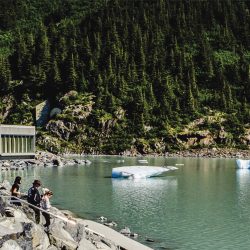
About an hour south of Anchorage near the Alaska Wildlife Conservation Center, Portage Glacier is best seen via a narrated boat cruise across iceberg-dotted Portage Lake, which brings visitors within roughly 300 yards of the glacier’s face with a chance of watching ice calve into the water. The nearby Begich, Boggs Visitor Center adds context on the glacier’s retreat, and the drive itself, through the Portage Valley, is one of the most scenic short trips from Anchorage.
Lifetime Adventures offers guided tours, bike and kayak rentals at Eklutna Lake, 40 minutes outside Anchorage. You can also just go for a hike on the 26 miles of marked trails. They also offer kayak lessons on the beautiful, calm Eklutna Lake. This is a spectacular area and is a highly recommended day trip from Anchorage. Take the Glenn Highway east to the Eklutna exit at Mile 26 and follow the signs. 907-746-4644
Local hiking guide Matt Worden started Hike Alaska with a vision of offering accessible, affordable, world-class day hiking and snowshoeing opportunities in the Chugach State Park, just outside of Anchorage. Options ranging from a 2.5-hour flora & fauna nature walk, to a 7-hour mini expedition.
Located in Portage Valley about 45 minutes south of downtown, this nonprofit sanctuary cares for orphaned, injured, and non-releasable animals, giving visitors close, reliable looks at brown bears, moose, wood bison, muskox, and wolves that can be genuinely hard to spot in the wild. Because the animals live in large natural enclosures, it is like a drive-through wildlife park, and it pairs naturally with a Portage Glacier or Whittier day trip.
More cultural immersion than museum, the Alaska Native Heritage Center represents all eleven of Alaska’s major Native cultural groups through life-size traditional dwellings set around a lake, live storytelling, traditional dance performances, and demonstrations of Native games and crafts. Native artists and culture-bearers staff the exhibits in person, so visitors can ask questions and see traditional skills demonstrated rather than just reading placards. Plan on 2–3 hours, longer if a dance or games performance lines up with your visit.
Phillips Cruises & Tours
Phillips Cruises and Tours has two excellent cruise options in the calm, protected waters of Prince William Sound. Come face to face with towering tidewater glaciers, migratory whales, curious sea otters and breathtaking Alaska scenery. Cruises depart from Whittier, 90 minutes south of Anchorage. Shuttle service from Anchorage, a hot lunch and reserved seating are included.
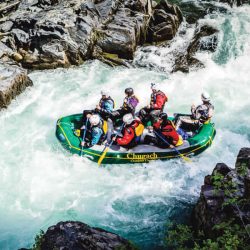
The Matanuska Glacier is Alaska’s largest glacier accessible by car. The glacier is reached at Mile 102 on the Glenn Highway, a two hour drive from Anchorage. At Mile 101 on the Glenn Highway you’ll find the Matanuska Glacier State Recreation Site with12 campsites, toilets, fire pits, and picnic tables. A Nature Trail leads 20-minute through the forest to glacier viewing platforms. Summer activities include hiking, glacier trekking and river rafting. Winter activities include skiing, snowshoeing and snow machining.
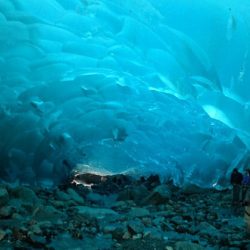
If you are looking for Glacier Ice Caves to explore, here are some ice caves near Anchorage.
The Anchorage Museum at Rasmuson Center is the largest museum in the state and the best rainy-day anchor for a downtown visit. Its collections span Alaska Native art and history, contemporary Alaska art, and a planetarium-style science center for kids, and it holds an extensive collection on long-term loan from the Smithsonian’s Arctic Studies Center — one of the only places outside Washington, D.C. to see many of these Alaska Native artifacts up close. Budget at least two hours; the museum café and gift shop are both worth a stop too.
Potter Marsh
Just south of the city on the Seward Highway, Potter Marsh is a boardwalk-accessible wetland that’s one of the easiest wildlife-viewing stops in the Anchorage area. Nesting Arctic terns, Canada geese, and a variety of shorebirds are common in summer, salmon can be seen spawning in the marsh’s channels in late summer, and moose occasionally wander through — all visible without leaving the parking area.
Beluga Point
A pullout roughly 20 minutes south of downtown on the Seward Highway, Beluga Point overlooks Turnagain Arm and is one of the most reliable places near Anchorage to spot beluga whales, particularly during salmon runs when the whales follow fish into the inlet. It’s also a well-known viewpoint for the Turnagain Arm bore tide, a dramatic tidal wave that can be watched rolling up the inlet on the right tide schedule.
Best Places for Shopping in Anchorage
Alaska Wild Berry Products offer the largest selection of original Alaskan souvenirs in the State. Sample delicious wild berry chocolates or take a kitchen tour to see how they are made. Enjoy the world’s largest chocolate fall in one of the biggest gift shops in Anchorage. Souvenir gifts, clothing, Alaskan made foods and more. Take care of all those hard to find gifts in one stop.
Come experience the warmth, lightness and silky softness that define Qiviut (ki-vee-ute), the under wool of the Musk Ox. This unique gift is the perfect Alaskan present. Over 250 Native Alaskan women are part of the co-operative who knit scarves, hats, and tunics by hand which can all be purchased at Oomingmak.
At The Ulu Factory you’ll find the best selection of real ulu knives and bowls, made right at the factory. They also carry a wide variety of Alaskan made gifts you won’t want to miss. Take a tour and watch how the ulus are made and used.
Get a taste of Alaska and try the best Wild Alaskan Smoked Salmon and gourmet sausages with Reindeer. Since 1963, this family business has created top quality products and excellent customer service. Come take in the delicious tastes and aromas of the freshly smoked seafood and sausages.
Hiking in Anchorage
Chugach State Park’s proximity to downtown makes Anchorage one of the only major U.S. cities where a serious alpine hike is a 20-minute drive away. These six trails cover the range from easy family walks to full-day alpine routes.
For guided hiking experience in and around Anchorage, contact local hiking guide Matt Worden of Go Hike Alaska. He offers accessible, affordable, world-class day hiking and snowshoeing opportunities in the Chugach State Park, just outside of Anchorage.
Difficulty: Easy to Moderate
Distance: About 1.5 miles round trip
Elevation Gain: Roughly 1,350 feet
Estimated Time: 1.5–2.5 hours
Anchorage’s most popular hike, starting from the Glen Alps trailhead and climbing to a nearly flat summit with panoramic views over the city, Cook Inlet, and Turnagain Arm. The final scramble section requires some hands-on-rock effort, but it’s manageable for most fitness levels.
Flattop is Anchorage’s most-climbed peak and the classic introduction to the Chugach Mountains, with a 1.5-mile trail to a nearly flat summit that rewards a modest effort with sweeping views over the city, Cook Inlet, Turnagain Arm, and the surrounding range. A shuttle service picks up and returns hikers downtown for those without a vehicle, and there’s a $5 parking fee at the Glen Alps trailhead for those who drive.
Difficulty: Easy
Distance: Up to 11 miles one-way (shorter out-and-back sections available)
Elevation Gain: Minimal — flat, paved trail
Estimated Time: 30 minutes to several hours, depending on distance chosen
A flat, paved multi-use trail running from downtown to Kincaid Park along Cook Inlet — ideal for visitors who want scenery without elevation gain, and easily shortened to fit any amount of available time.
This paved, 11-mile trail runs from downtown Anchorage to Kincaid Park along the edge of Cook Inlet, delivering water views, Denali sightings on clear days, and a real chance of spotting moose along the wooded sections. It’s flat, accessible, and popular with cyclists, runners, and walkers alike — an easy way to get outside without leaving the city, and one of the most scenic evening strolls available right from a downtown hotel.
Difficulty: Easy
Distance: About 2–3 miles round trip (depending on route)
Elevation Gain: Minimal
Estimated Time: 1–2 hours
Following Ship Creek from downtown Anchorage toward the Alaska Railroad depot, this easy riverside trail combines urban scenery with one of Alaska’s most famous salmon fisheries. During the summer king and silver salmon runs, anglers line the banks while visitors enjoy excellent fish-viewing opportunities from bridges and observation platforms. Interpretive signs highlight the creek’s history, wildlife, and importance to Anchorage.
Difficulty: Easy to Moderate
Distance: 1–20+ miles of interconnected trails
Elevation Gain: Minimal to moderate, depending on route
Estimated Time: 30 minutes to several hours
Anchorage’s largest municipal park features more than 100 miles of interconnected forest trails suitable for hikers of all abilities. Trails wind through spruce forests, wetlands, and open meadows with frequent opportunities to spot moose, bald eagles, and other wildlife. Visitors can choose anything from short family-friendly walks to longer backcountry-style hikes without leaving the city.
Difficulty: Easy to Moderate
Distance: About 4.5 miles round trip
Elevation Gain: Roughly 1,200 feet
Estimated Time: 2.5–4 hours
Beginning near the end of Arctic Valley Road, this scenic alpine trail climbs gradually to Rendezvous Peak through tundra and berry-covered slopes. The summit rewards hikers with panoramic views of Anchorage, the Chugach Mountains, and Cook Inlet. Wildflowers bloom throughout summer, while blueberries and crowberries attract both hikers and wildlife in late August.
Difficulty: Easy to Strenuous (varies by trail)
Distance: Hundreds of miles of hiking trails
Elevation Gain: Varies by route
Estimated Time: From short walks to multi-day backpacking trips
Although much of Anchorage’s nearby hiking is found in Chugach State Park, Chugach National Forest begins farther south and east, offering countless hiking opportunities across glaciers, alpine meadows, coastal rainforests, and mountain valleys. Popular destinations include trails near Portage Valley, Prince William Sound, and the Kenai Peninsula, making the forest an outstanding choice for visitors looking to extend their Southcentral Alaska adventure.
Earthquake Park
Difficulty: Easy
Distance: About 0.8–1.5 miles of walking trails
Elevation Gain: Minimal
Estimated Time: 30–60 minutes
This peaceful bluff-top park overlooks Cook Inlet while preserving the site devastated by the 1964 Good Friday Earthquake. Short walking trails weave through birch forest and lead to interpretive displays explaining how entire neighborhoods collapsed during the magnitude 9.2 earthquake. Viewing platforms offer excellent scenery across Cook Inlet toward Denali on exceptionally clear days, making this both a historical landmark and a scenic nature walk.
Kincaid Park Trail
Difficulty: Easy to Moderate
Distance: 40+ miles of interconnected trails; loops from 1 to 10+ miles
Elevation Gain: Varies by route — generally rolling, not steep
Estimated Time: 30 minutes to several hours, depending on route
Kincaid Park’s network of forested, rolling trails offers some of the best short hikes and mountain-bike rides in the city, plus sunset views over Cook Inlet from the park’s western bluffs. Moose sightings are common enough that trail signage regularly warns hikers to give them space.
At the western end of the Tony Knowles Coastal Trail, Kincaid Park is Anchorage’s largest park and a genuine wilderness experience inside city limits — over 1,400 acres of coastal bluffs, forest, and wetlands with 40+ miles of trails used for hiking and mountain biking in summer and some of the best groomed cross-country ski trails in the state come winter. Moose sightings are common, and the park’s western overlooks offer some of the best sunset views in Anchorage over Cook Inlet.
Eagle River Nature Center
Difficulty: Easy to Moderate (Strenuous options available)
Distance: 1–12+ miles depending on trail
Elevation Gain: Minimal to moderate
Estimated Time: 1 hour to full-day hikes
Located at the northern edge of Chugach State Park, the Eagle River Nature Center provides access to several excellent hiking trails ranging from easy interpretive loops to longer backcountry adventures. The popular Albert Loop Trail offers a gentle forest walk, while the historic Iditarod National Historic Trail continues deeper into the valley toward remote alpine terrain. Wildlife sightings—including moose, black bears, and spawning salmon—are common throughout the summer months.
Wolverine Peak
Difficulty: Strenuous
Distance: About 7 miles round trip
Elevation Gain: Roughly 3,300 feet
Estimated Time: 5–7 hours
A steady, unrelenting climb through forest and then open alpine tundra to a rocky summit with wide views over Anchorage, Cook Inlet, and the Chugach high country. Less crowded than Flattop despite comparable views, largely because of the longer distance and elevation gain.
Bird Ridge Trail
Difficulty: Strenuous
Distance: About 4.4 miles round trip
Elevation Gain: Roughly 3,200 feet
Estimated Time: 3–5 hours
Located about 25 miles south of Anchorage on the Seward Highway, Bird Ridge packs serious elevation gain into a short distance, with dramatic views over Turnagain Arm almost from the trailhead. Dall sheep are frequently spotted on the surrounding slopes, and the steep, sustained grade makes this one of the better trail workouts near the city.
Powerline Pass
Difficulty: Moderate
Distance: About 10 miles round trip to the pass (shorter turnaround options available)
Elevation Gain: Roughly 1,500 feet to the pass
Estimated Time: 4–6 hours for the full route
A wide, gradual gravel road-turned-trail from the Glen Alps trailhead, popular with hikers, mountain bikers, and berry pickers in late summer. The gentle grade makes it accessible to a broad range of fitness levels, and it connects into a longer backcountry route through Chugach State Park for those who want to keep going.
Local Tips for Visiting Anchorage
- Rent a car if you plan to explore beyond downtown — most of Anchorage’s best day trips and trailheads aren’t served by public transit.
- Watch for moose on roads, trails, and even in downtown neighborhoods — they’re common and can be dangerous if surprised or approached.
- Summer daylight can exceed 19 hours around the solstice, so pack an eye mask if you’re sensitive to light while sleeping.
- Book popular tours — glacier cruises, flightseeing, and Denali shuttle buses — well in advance during peak summer months, as they sell out.
- Dress in layers. Anchorage’s maritime climate means weather can shift quickly, even within the same day.
- A fishing license and king salmon stamp are required before casting a line in Ship Creek or anywhere else in Alaska.
- Tap water in Anchorage is safe to drink, and most trailheads have no potable water — bring your own.
- If you’re only in town for a day between cruise or flight connections, the Log Cabin Visitor Center downtown is a good first stop for same-day tour availability.
Best Day Trips from Anchorage
Anchorage works best as a basecamp — nearly all of Southcentral Alaska’s biggest draws are within a half-day’s drive, and several are reachable by rail or shuttle for visitors without a car.
Girdwood
Driving Time: About 40 minutes south via the Seward Highway
Home to Alyeska Resort, Girdwood pairs a scenic drive along Turnagain Arm with a tram ride up Mount Alyeska for hiking and views (or skiing in winter), fine dining at Seven Glaciers restaurant, and a small, walkable arts-and-outdoors town center. It’s an easy half-day trip or an overnight for visitors who want to slow down.
Portage
Driving Time: About 50 minutes south via the Seward Highway
Portage Valley packs a lot into a short detour: the Alaska Wildlife Conservation Center, the Portage Glacier boat cruise, and the Whittier tunnel access all sit within a few miles of each other, making it easy to combine with a Girdwood or Whittier day trip.
Whittier
Driving Time: About 1 hour south via the Seward Highway and the Anton Anderson Memorial Tunnel
Reached through North America’s longest combined rail and highway tunnel, Whittier is the launch point for glacier and wildlife cruises into Prince William Sound, run by operators like Phillips Cruises. The town itself is tiny and unusual — most residents live in a single high-rise building — but the boat access to tidewater glaciers is the real draw.
Seward
Driving Time: About 2.5 hours south via the Seward Highway (or a scenic Alaska Railroad ride)
Seward is the gateway to Kenai Fjords National Park, with day cruises to see calving glaciers, sea otters, puffins, and whales, plus the Alaska SeaLife Center in town for a land-based marine wildlife stop. It’s popular enough as a day trip that many visitors choose to stay a night instead.
Talkeetna
Driving Time: About 2 hours north via the Parks Highway (or Alaska Railroad)
A funky small town with Denali views on a clear day, Talkeetna is the base for flightseeing tours over Denali and the Alaska Range, including glacier landings. Its walkable historic downtown, riverside setting, and mountaineer culture (it’s the staging point for Denali summit attempts) give it a different feel than Anchorage’s other day-trip options.
Hatcher Pass
Driving Time: About 1.5 hours northeast via the Glenn Highway and Palmer-Fishhook Road
Hatcher Pass climbs into alpine tundra above the Matanuska-Susitna Valley, with the historic Independence Mine State Historical Park, wildflower-covered hillsides in summer, and some of the most accessible high-alpine hiking near Anchorage. It’s also a popular fall-colors and berry-picking destination in late August and September.
Driving Time: About 2 hours northeast via the Glenn Highway
Alaska’s largest glacier accessible by car, the Matanuska Glacier can be viewed from pullouts or explored directly with a guided glacier trekking or ice-climbing tour. The Matanuska Glacier State Recreation Site near Mile 101 has camping, a short nature trail, and viewing platforms for visitors who’d rather look than walk on the ice.
Driving Time: About 4.5–5 hours north via the Parks Highway (or a full-day Alaska Railroad trip)
A long day trip but a popular one, especially by rail — Denali offers the chance to see North America’s tallest peak, along with grizzly bears, caribou, and Dall sheep on a park shuttle bus tour into the interior. Most visitors treat this as an overnight rather than a same-day round trip given the drive time.
Driving Time: About 45 minutes northeast via the Glenn Highway
Palmer anchors the Matanuska-Susitna Valley’s farming country, known for its enormous state-fair vegetables grown under the midnight sun, the Musk Ox Farm, and a walkable small-town center. It’s a lower-key alternative to the more touristed day trips, popular with visitors interested in agriculture, local food, and the valley’s homestead history.
Getting Around in Anchorage
The Alaska Railroad connects Anchorage to Talkeetna, Denali National Park, Fairbanks, Seward, and Whittier along more than 500 miles of track, and riding it is an attraction in its own right — glass-domed cars, narrated sections, and views of terrain that’s inaccessible or hard to see by road. For visitors without a rental car, the railroad is also the easiest way to combine an Anchorage stay with day trips to Seward’s fjords or Denali’s mountains without driving.
The Alaska Railroad is the perfect way to reach two of Alaska’s most visited destinations: Denali National Park and Kenai Fjords National Park. From Anchorage, you can take a direct rail journey to either of these incredible destinations.
Airlink’s Alaska/Yukon Trails makes traveling through Alaska & The Yukon easy and economical. Vans/mini coaches depart daily from Anchorage for Talkeetna, Denali National Park and Fairbanks via the Parks Highway.
The Ted Stevens International Airport is Alaska’s largest airport, and the hub for most of the visitor traffic to Alaska. It is a modern airport with all the amenities you would expect. They service over 5 million passengers a year and are the 2nd busiest cargo airport in the United States (after Memphis). Alaska’s own Alaska Airlines has dozens of non-stop flights a day to the continental United States..
The Anchorage Airport is also serviced by major airlines like United, Delta, American, KLM, Japan Airlines and more.
GoNorth rents Motorhomes, Truck Campers, 4×4 SUVs, Trucks and Vans. They have no road restrictions and driving on gravel roads is permitted which allows visitors to get off the beaten path and explore Alaska. Roads like the McCarthy Road to Wrangell St-Elias National Park and the Denali Highway are not allowed to be driven with most rental company’s vehicles, but GoNorth is one of the few who allows guests to go where they please.
Anchorage has car rentals available from all the major companies, including Enterprise, Hertz, Avis, National, Alamo & Thrifty.
For the best rates, you can book online with Booking.com
Anchorage FAQS
What is Anchorage known for?
Anchorage is Alaska’s most populated city and also home to the Dena’ina Athabaskans indigenous people. It is the commercial center of Alaska where most large statewide businesses are headquartered. Anchorage is also home to the Ted Stevens International Airport the fourth busiest airport in the world for cargo and second busiest cargo airport in the US after Memphis.
Anchorage is also known as the starting point for a million different Alaska Adventures. Check out some of the best one week itineraries out of Anchorage. Anchorage is also home to a wide variety of activities and adventures.
How cold does it get in Anchorage?
The coldest temperatures are generally in January and can drop to 10 degrees F (-12 degrees Celsius) in the evening and be around 25 degrees (-4 degrees Celsius) in the daytime. The wind can also blow in Anchorage, meaning it can feel a lot colder without good winter clothing.
What is the best month to go to Anchorage?
Every month is a good month to go to Anchorage but it depends on what you want to see and do. If you want to see the northern lights or come for some great skiing? Then come in the winter.
Want to go fishing? Come anytime between May -August
When it is the warmest? come in July
Can you see the northern lights from Anchorage?
Yes, you can see the northern lights occasionally from Anchorage when there is high auroral activity, but it is easier to see them further north and away from the light pollution of the city. The darker it is outside the better. The best time to see the Aurora Borealis is during the spring and fall equinox when the magnetic field of the solar wind change reaches its optimum configuration. It is also recommended to avoid full moons to get the most visual impact.
The University of Alaska publishes an Aurora Forecast, showing the best places are to see the northern lights and letting you know how active it potentially is. Then you just have to hope for clear skies. For more information on the Northern Lights, click here.
Are there day cruises from Anchorage?
There aren’t exactly any day cruises from Anchorage but there are a number of excellent day cruises within an hour or two. You can drive, take a bus or the Alaska Railroad from Anchorage to get to the following day cruises.
Portage day cruises
Portage Glacier Cruises
Whittier day cruises
26 Glacier Cruise
Whittier also has a couple of water taxis for a more low key experience.
Seward day cruises
Kenai Fjords Tours
Major Marine Tours
Northern Latitude Adventures
Seward Ocean Excursions
Can you fish in Anchorage?
Yes, you can definitely fish in Anchorage. The best time to catch a trophy sized king salmon is from mid-May through June in Ship Creek right in downtown Anchorage. Remember that you will need a fishing license and a king salmon stamp before you cast your line.
Because the tides change so quickly in Anchorage, check tide books or visit with a local tackle shop to ask when the fishing is best. Ship creek is affected by the tide from Cook Inlet, and it’s best to fish during a rising tide.
How many days should I spend in Anchorage?
Most visitors spend 2–3 days in Anchorage itself, enough time for the museums, Alaska Native Heritage Center, and a hike like Flattop, plus a day trip to Girdwood or Portage. Because Anchorage works so well as a basecamp, many travelers use it as a hub and spend additional nights in nearby destinations like Seward, Talkeetna, or Denali rather than extending their stay in the city itself.
Is Anchorage walkable?
Downtown Anchorage is compact and walkable, with the museum, shopping, restaurants, and the Log Cabin Visitor Center all within a few blocks of each other. Beyond downtown, the city spreads out and requires a car, bike, or the People Mover bus system to reach — including many of the trailheads and attractions covered above.
Is Anchorage worth visiting without a car?
Yes, especially for a downtown-focused visit — the Anchorage Trolley Tour, Anchorage Museum, Alaska Native Heritage Center, and Ship Creek fishing are all accessible on foot, by shuttle, or by the People Mover. That said, many of the best day trips and hikes are much easier with a rental car, so visitors planning to explore beyond the city center should budget for one.
Is Anchorage a good base for exploring Alaska?
Anchorage is arguably Alaska’s best basecamp — it has the state’s largest airport, a central location in Southcentral Alaska, and same-day or short-drive access to Seward, Whittier, Girdwood, Talkeetna, and the Matanuska Valley, plus rail and highway routes north to Denali and Fairbanks. Many visitors build an entire trip around Anchorage as a hub rather than moving hotels every night.
What is there to do in Anchorage in one day?
A single day is enough to hit the highlights: start with the Log Cabin Visitor Center and a downtown trolley tour, spend a couple of hours at the Anchorage Museum or Alaska Native Heritage Center, and finish with a hike up Flattop Mountain or a stroll on the Tony Knowles Coastal Trail before dinner. Visitors with a car can swap the afternoon for a quick trip to Potter Marsh or Beluga Point along the Seward Highway.